
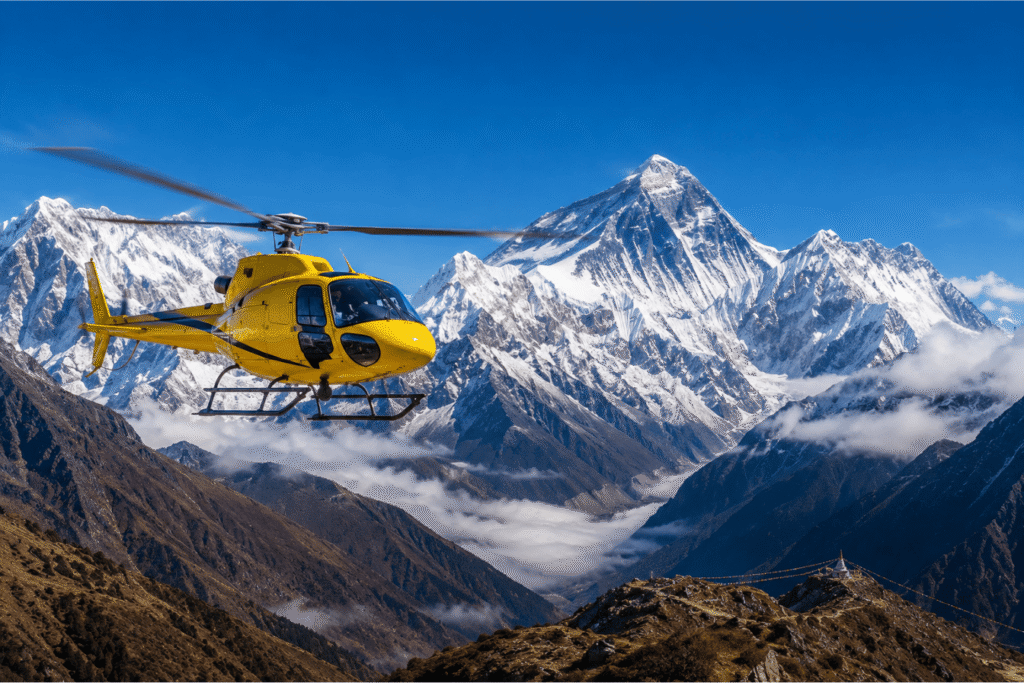
Nepal's helicopter tours are entirely weather-dependent — and weather in the Himalayas follows fairly predictable seasonal patterns, even if day-to-day conditions can vary. Planning your tour around these patterns significantly improves your chances of clear views and on-schedule departures.
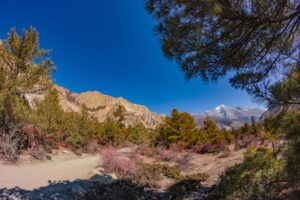 Autumn (October-November): widely considered the best season for helicopter tours across nearly all regions. Post-monsoon skies are clear, temperatures are moderate, and visibility is typically excellent. This is also peak trekking season, meaning higher demand and the need to book further in advance, particularly for Everest Base Camp tours.
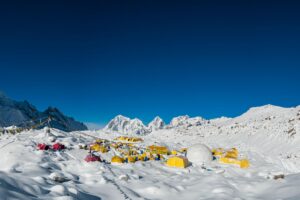 Winter (December-February): generally good visibility due to dry, clear conditions, but with caveats. Higher-altitude destinations like Everest Base Camp and Gosaikunda can experience extreme cold and occasional snow that affects landing conditions. Muktinath, in the Mustang region, can also be very cold in winter. Lower-altitude tours and transfers (like Lukla-Kathmandu) are generally more reliable in winter than high-altitude landing tours.
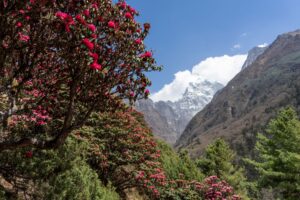 Spring (March-May): the second major 'best season' window, particularly popular for Everest Base Camp and Annapurna Base Camp tours. Visibility is generally very good, though afternoon cloud build-up can occur more than in autumn, making morning departures preferable. This is also when rhododendrons bloom across mid-altitude regions, adding scenic value for tours that pass over forested areas.
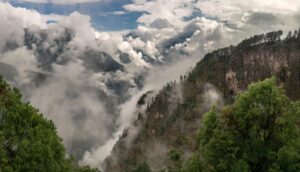 Monsoon (June-September): the most challenging season for helicopter tours. Persistent cloud cover, rain, and reduced visibility affect most regions, and many operators significantly reduce frequency on high-altitude routes like Everest Base Camp and Gosaikunda during peak monsoon months (July-August). Muktinath and the broader Mustang region, being in a rain shadow created by the Annapurna and Dhaulagiri massifs, are somewhat less affected and can remain a viable option even during monsoon, though not guaranteed.
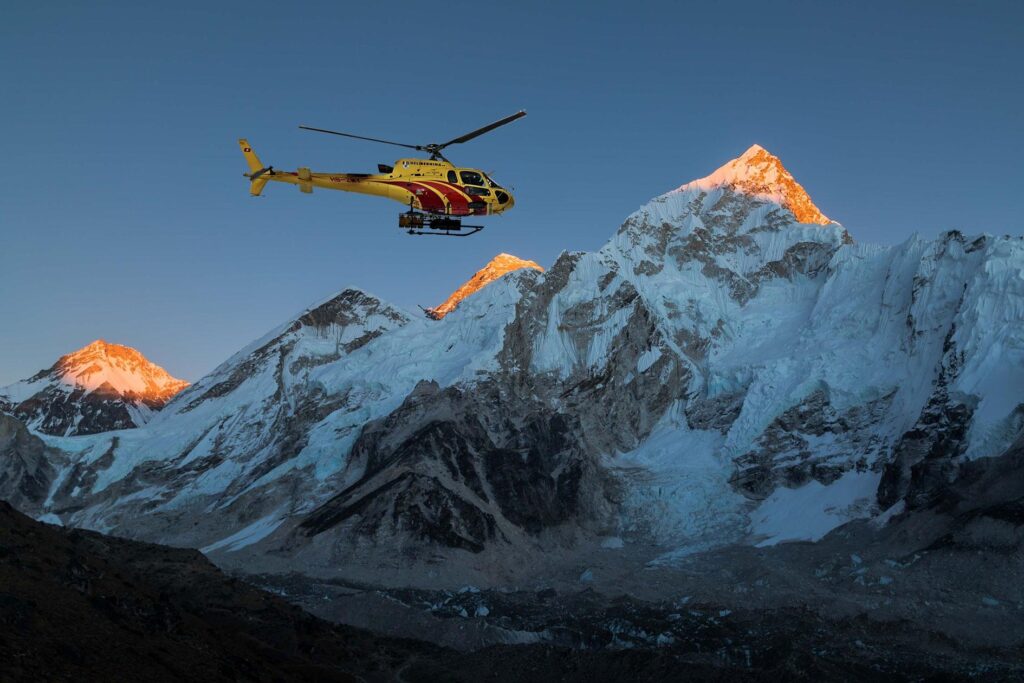 Time of day matters as much as season:
Across nearly all regions and seasons, morning departures (typically before 9-10am) offer the best chance of clear conditions, before afternoon cloud build-up — a daily pattern common in mountain environments where solar heating causes cloud formation as the day progresses. This is why most helicopter tour operators schedule early morning departures as standard.